The first private label order is where most new wooden product brands either build a long-term supply relationship or lose a season. There is usually no second chance at a launch date, and rework on a wooden product is slower than on most materials because every change touches tooling, drying and finishing.
This checklist collects the six areas that decide the outcome. Work through them before you send a purchase order, not after.
1. Vet the Supplier, Not Just the Quotation
The lowest quotation often comes from a trading company that has never touched the production line. That is not automatically wrong — but you should know which one you are dealing with, because it changes who solves problems when they appear.
Ask these questions directly:
- Do you own the factory? Request the business licence and compare the registered entity name with the name on the quotation and the bank account.
- Which processes are in-house and which are outsourced? Cutting and assembly in-house with outsourced painting is common and workable. Outsourced cutting on a children's product is a risk.
- How many production lines and how many workers? This tells you whether your order will be produced in the same facility that produced the sample.
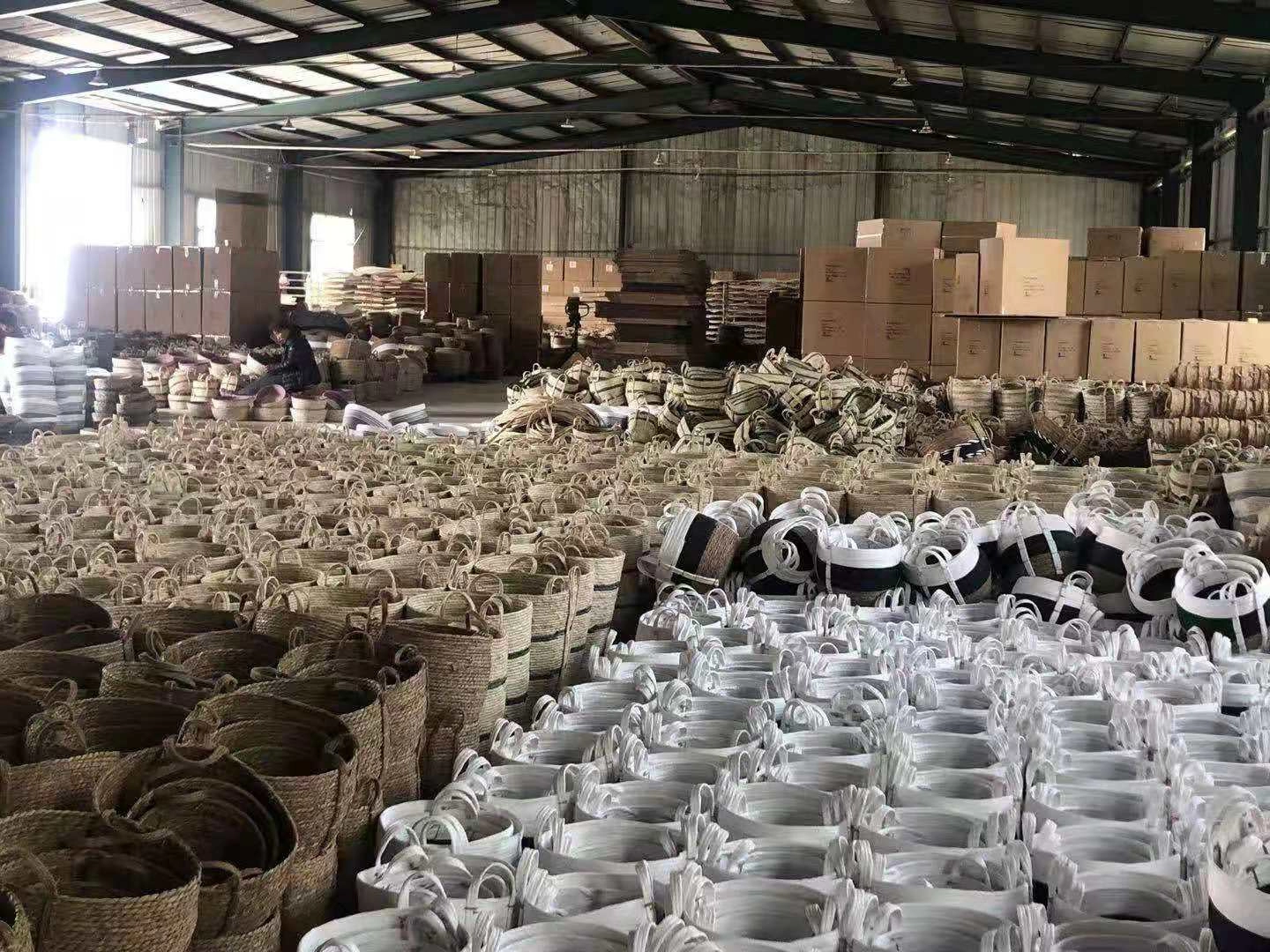
- Can I see the production floor? A live video walkthrough or a factory audit report answers more than a photo set.
- Who was your last three customers in this category? Experience in your product type matters more than general capacity.
A factory that answers precisely — with numbers, photos and process names — is usually a factory that will also answer precisely when a defect claim arrives.
2. Understand What Actually Drives Your Unit Cost
Buyers often negotiate hardest on the wrong number. In wooden products, four factors move your cost far more than haggling over the quoted unit price:
- Species and grade. Rubberwood, pine, beech, birch plywood, MDF and solid oak behave and price very differently. Logging grade (furniture grade vs. premium clear) can swing cost materially.
- Structure and joint count. A product with eleven glued and dowelled joints costs more than one with five, regardless of external appearance.
- Finish complexity. A single clear oil finish is one pass. A multi-colour painted product with masking, drying between coats and touch-up can multiply finishing labour.
- Order quantity and tooling. Setup and tooling are amortised across the run. Doubling volume is often the single largest available cost reduction, and it costs you nothing but planning.
When a supplier cannot explain which of these four is driving your price, ask again. A supplier who understands their own cost structure can also suggest where to remove cost without changing the product's appeal.
3. Settle Certification Ownership Before Sampling
Certification questions are cheapest to answer at the quotation stage and most expensive after production.
- FSC. If you sell into markets or channels that require chain-of-custody claims, confirm whether the supplier holds FSC certification and whether your order can be produced under it. Ask to see the certificate number and validity dates.
- BSCI or equivalent social audit. Relevant to European retail channels and larger buyers. Confirm whether an audit report exists, what rating it received, and when it expires.
- Product safety testing. For children's wooden products, required tests depend on the destination market. Clarify in writing who arranges testing, who pays, and who holds the report. Reports are normally issued to the buyer or importer.
- Certificate naming. If you need the certificate in your company name, say so before sampling. Re-issuing certificates after the fact often means re-testing.
If certification is not yet in place, treat it as a project milestone with a date, not as an assumption.
4. Define Packaging and Labelling as Part of the Specification
Packaging is where private label orders most often slip, because it is treated as an afterthought until the goods are ready to ship.
- Provide artwork early. Supply print-ready files with correct dieline, bleed and colour reference. Ask for a printed mock-up before mass printing.
- Specify protection level. Interior foam or moulded pulp, corner protection, moisture barrier and carton burst strength all affect transit damage rates on wooden goods.
- Confirm labelling content. Barcode format and placement, country of origin marking, age warnings, care instructions, and any importer details required by the destination market.
- Agree carton specification. Dimensions, quantity per carton, gross weight and pallet configuration. This determines your freight cost more than most buyers expect.
- Ask about drop and compression testing if the product ships through e-commerce fulfilment, where parcels are handled individually.
5. Sequence Quality Control Correctly
Inspection is not a single event at the end. For a first order, build it into the schedule at three points:
- Pre-production sample approval. This is your golden sample. Sign it, keep it, and make it the contractual reference. Photograph it from every angle with a scale reference.
- In-line check. After the first portion of the run, verify dimensions, joinery and colour against the golden sample. Catching a drift here costs a day; catching it at the end costs the order.
- Pre-shipment inspection. Before the goods are packed into the container or handed to the forwarder. Check AQL sampling on critical, major and minor defects, plus packaging, labelling and carton condition.
Agree the defect definitions in writing before production starts. "Minor scratch" and "major crack" should never be debated after the fact.
6. Protect Yourself in the Payment Structure
Standard private label terms are a deposit with the balance before shipment, or against copy of the bill of lading. Both are workable when the inspection is arranged correctly.
- Keep the deposit reasonable and tied to a signed specification and approved golden sample.
- Make pre-shipment inspection approval a condition of the balance payment.
- Confirm the beneficiary name on the bank account matches the entity on the contract and the business licence.
- Agree the remedy for defects in advance: rework, replacement, or credit. Decide which one applies at which defect level.
The One-Page Checklist
| Area | Confirm before you order |
|---|---|
| Supplier | Factory ownership, in-house processes, licence matches contract |
| Cost | Species, joint count, finish passes, volume breaks understood |
| Certification | FSC / BSCI status, testing responsibility, certificate naming |
| Packaging | Artwork, protection level, labelling, carton and pallet spec |
| Quality | Golden sample signed, in-line check, pre-shipment inspection agreed |
| Payment | Balance tied to inspection, beneficiary verified, remedy defined |
None of these steps requires deep technical knowledge. They require that the answers exist in writing before production starts, so that a surprise in month three is a conversation instead of a loss.
Frequently Asked Questions
What is a typical MOQ for private label wooden products?
It depends on the product and the finish. Straightforward items built from standard stock components commonly start in the low hundreds of units per design. Products that need new tooling, custom moulds or multi-colour painting usually carry a higher minimum because the setup cost has to be absorbed. If your target volume is below the stated MOQ, ask whether the order can be combined with a similar existing design or produced without custom tooling.
Should I buy from a factory or a trading company?
Factories generally give better control and better pricing on repetitive production, and they can resolve technical problems directly. Trading companies can be genuinely useful when you need many small SKUs from different production types, when your volumes are too small for a factory, or when you want one counterpart for documentation and consolidation. The important thing is to know which one you are buying from, because it determines who you can escalate to.
Who owns the certification — me or the factory?
Forest and social audit certificates belong to the manufacturing entity. Product test reports are usually issued to whoever commissioned them, and for safety testing that is normally the buyer or importer. If your channel requires certificates in your own company name, agree this before sampling, because re-issuing often means repeating the test.
How do I protect a first order while keeping the relationship workable?
Use the golden sample as the written specification, arrange a pre-shipment inspection before the balance is due, and define what counts as a defect with a stated remedy. This protects you without requiring penalties that a supplier will resist. Suppliers generally accept clear inspection terms, because clear terms also protect them from arguments about subjective expectations.
Next Step
If you are planning a first private label wooden product order, send us your target product, quantity and destination market. We will come back with an assessment of feasibility, the likely cost drivers, MOQ, certification status and an indicative quotation — so you can compare options on the same basis.
Request a free quotation and factory assessment.